India’s Strategic Tightrope: Why the US-China Divide Will Force a Choice
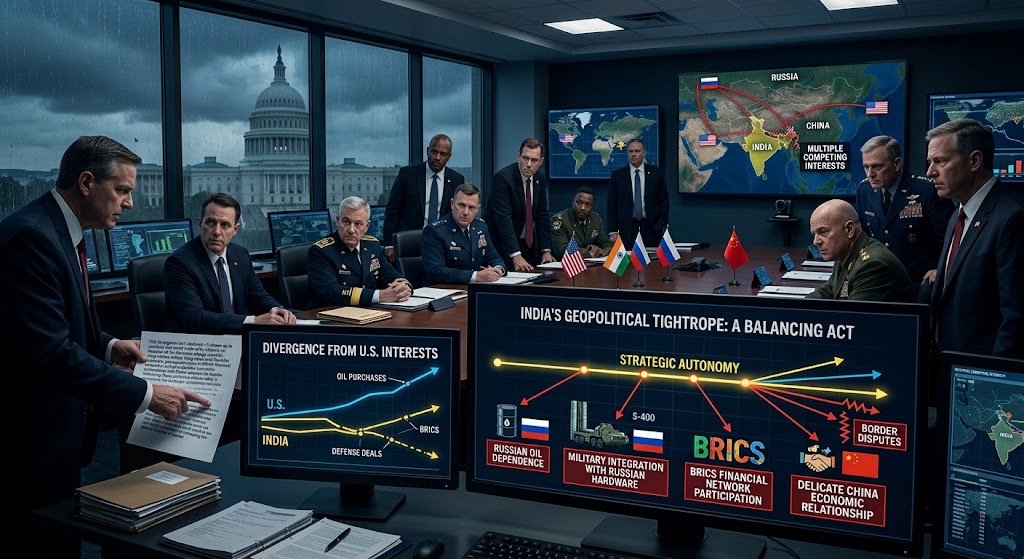
India is a great country. We’ve benefited from it, especially in terms of tech talent. Many leaders and founders of tech companies are Indian, and they have been indispensable to American interests. But India seems to be facing a conundrum. While they have been a great ally, they also have many competing interests, including Russia, BRICS, and now China, apparently. All of these interests are anti-American at their core. India should certainly pursue its own interests, not the dictates of other countries, but which side will it end up on when push comes to shove? India’s concerns are understandable, and they benefit from having good relations with all of these parties, but playing all sides is really difficult, especially when the divergence from US interests is widening.
This divergence isn’t abstract—it shows up in critical real-world trade-offs: reliance on Russian oil for domestic energy security, deep military integration with Russian hardware, participation in BRICS financial networks, and a delicate economic relationship with China despite border disputes. Balancing these priorities allows India to maximize its strategic autonomy today, but as the US-China rift deepens, sitting on the fence in these key areas will become increasingly difficult. How New Delhi navigates this tightrope over the coming years won’t just shape India’s future—it will be one of the defining stories in reshaping the global balance of power. In a rapidly shifting global order, America cannot afford to take its relationship with India for granted.