The Fundamentalists Were (Mostly) Right
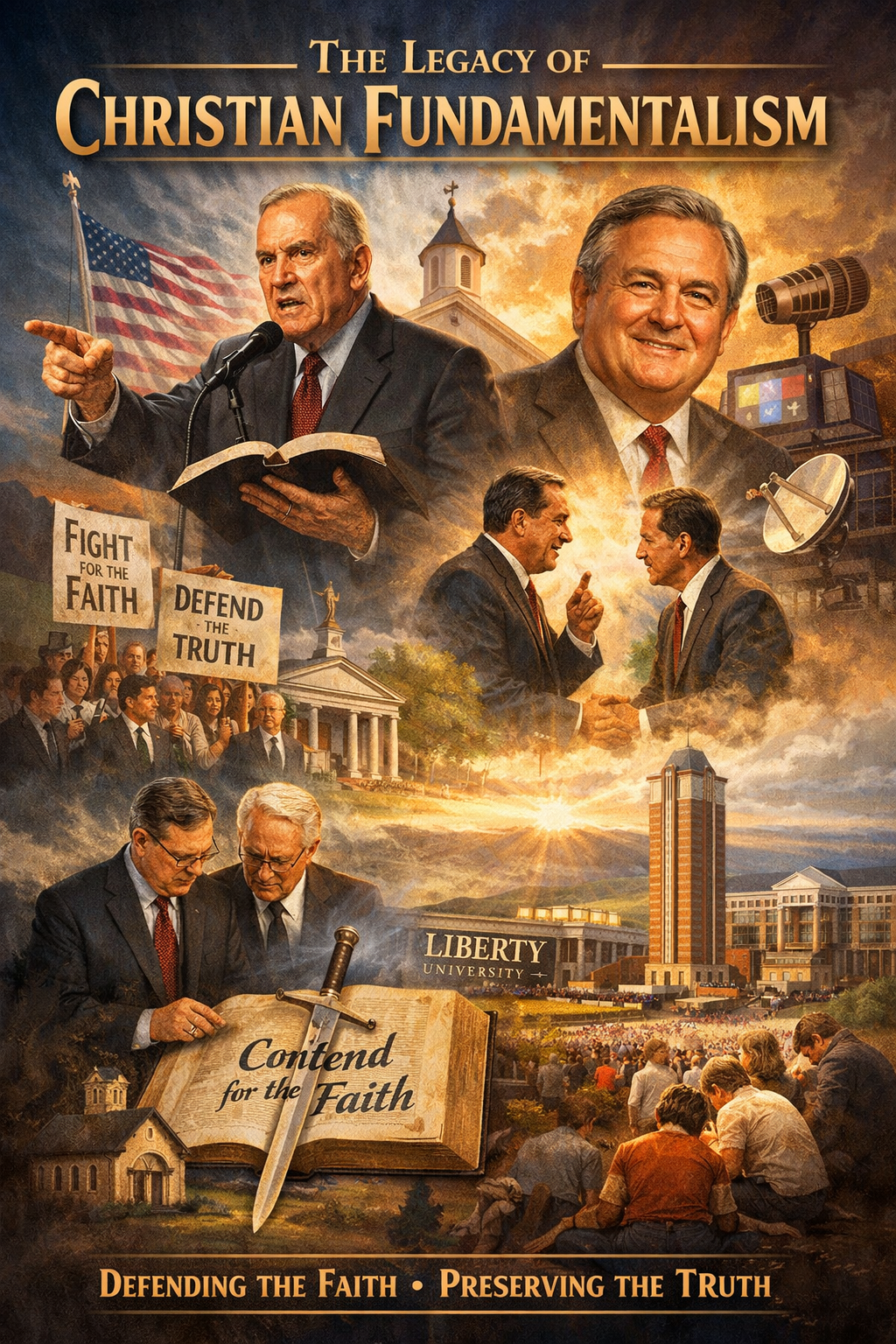
Even with all of the stigma surrounding fundamentalism, you have to give fundamentalists credit for their contributions to the body of Christ. For instance, you really need to give them credit for contending for and even fighting for sound doctrine. They fought so much that they would eventually come to be known as “fighting fundamentalists.”
And while they were derided by modernists because of their fierceness in defending orthodox Christian beliefs, they successfully preserved the core tenets of the faith for future generations.
It is true that the movement grew to be very reactionary and sometimes even legalistic. However, one cannot deny the lasting impact of their fierce commitment to doctrinal purity
I’ve spent most of my life trying to sort out the good and bad parts of my experience with hardcore Baptist fundamentalists. What I saw was that they were fixated on dress codes, preserving a specific translation of the Bible, and their association with “secondary separation”. It wasn’t enough to separate from liberals; you had to separate from other conservatives if they were too friendly with the outside world.
And many in my camp even thought Jerry Falwell was liberal–say what?
But I’m grateful for all the things they taught me, even though I had to learn some of it painfully. The movement still lives on to this day, but I feel some of these ministries are still living in the battles that they fought in the 1950s. Much of their influence has been diminished because of this, but places like Liberty University are still thriving as a remnant of the fundamentalist movement.
Falwell was a different type of fundamentalist though. While some fought liberalism within the church, Falwell was mostly known for fighting the dark forces outside of the church. Most fundamentalists withdrew from the culture into their own enclaves, but Falwell was able to unite conservative Christians and popularize fundamentalist teachings through mass media.
By shifting the battle from an internal theological dispute to an external cultural war, Falwell effectively created a new brand of politically engaged fundamentalism that altered the course of American politics.
Today Liberty University stands as a testament to how fundamentalism shifted from isolating itself from the world to actively trying to change it.
The classic 1950s fundamentalist pastor pounding a pulpit about dress codes is fading away. Today’s fundamentalism is highly active and divided between slick, media-savvy institutions trying to engage the world and radical factions pushing for extreme separation.